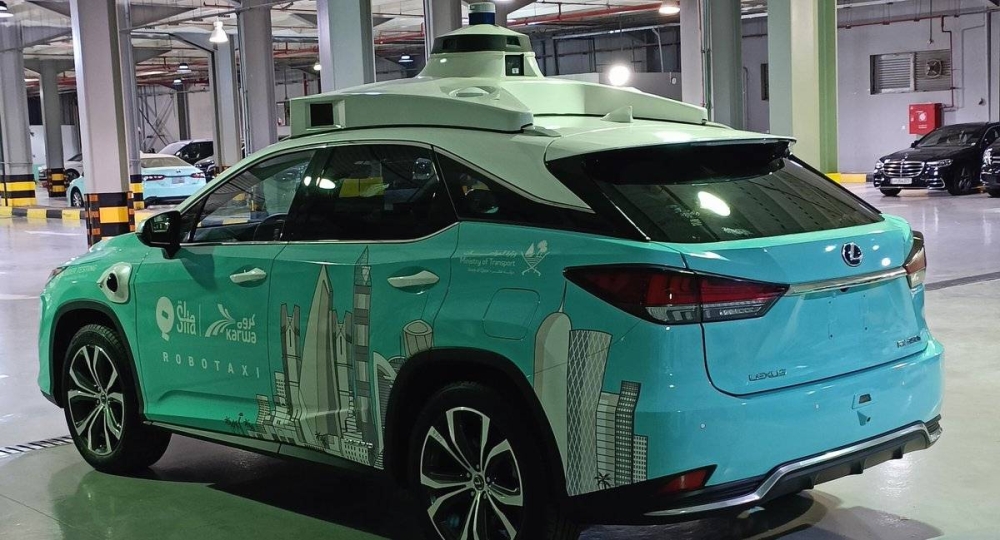

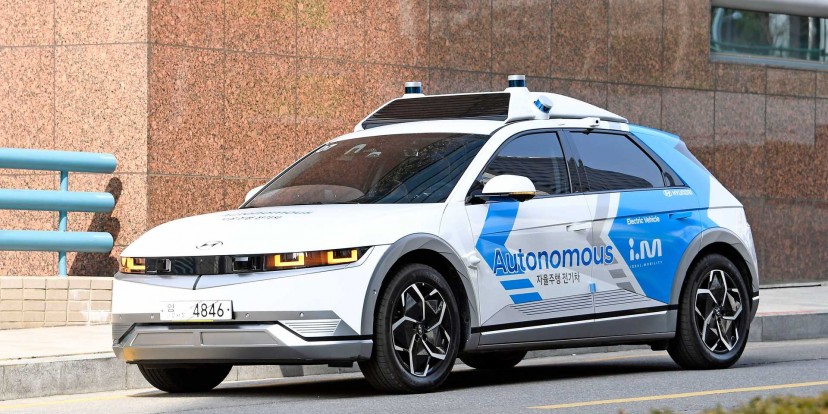
On January 8, 2026, Dubai took a giant leap toward a sci-fi reality as the Roads and Transport Authority (RTA) inaugurated the city’s first Dubai driverless taxi operations and control centre. Located at Dubai Science Park, this 2,000-square-meter facility—Baidu Apollo Go’s first hub outside China—marks a definitive milestone in the UAE’s Smart Self-Driving Transport Strategy. Alongside the launch, H.E. Mattar Al Tayer officially granted the first-ever permit for fully autonomous trials on public roads, authorizing vehicles to operate without a human safety driver behind the wheel.
A Central Hub for Autonomous Mobility
The new control centre at Dubai Science Park serves as the “brain” of the city’s emerging Dubai driverless taxi fleet. It integrates high-tech road infrastructure, real-time safety monitoring, and AI-driven maintenance systems. The facility is equipped to manage:
- Remote Supervision: Real-time monitoring of vehicle sensors and GPS data.
- Maintenance & Upgrades: Specialized bays for charging and Level 4 hardware calibration.
- Simulation Rooms: Advanced training environments to test complex urban traffic scenarios.
First Fully Autonomous Permit Issued to Baidu Apollo Go
While previous trials required a human “safety driver” to be present, the newly issued 2026 permit allows for a Dubai driverless taxi to operate in total autonomy. This follows a rigorous 150-million-kilometer testing record by Baidu. Initially, 50 RT6 autonomous vehicles will begin public trials, with plans to expand the fleet to over 1,000 taxis across major residential and commercial zones by 2028.
Why This Matters for Commuters
The launch of the Dubai driverless taxi system isn’t just about cool technology; it’s about transforming the city’s productivity and safety.
- Safety First: These vehicles use 40 state-of-the-art sensors to eliminate human error, which is the cause of 90% of road accidents.
- Affordability: As the fleet scales toward the Q1 2026 commercial launch, RTA aims to make robotaxis a more cost-effective alternative to traditional ride-hailing.
- Last-Mile Connectivity: The service is designed to complement the Dubai Metro, providing seamless transport from stations to doorsteps in areas like Umm Suqeim and Jumeirah.
Integration with Dubai’s 2030 Vision
RTA’s vision is to convert 25% of all transportation trips in the city to autonomous modes by 2030. The opening of the Dubai driverless taxi control centre is the backbone of this goal. By integrating these taxis with the existing S’hail app and Dubai’s smart traffic lights, the city is reducing carbon emissions and traffic congestion simultaneously.
Future Outlook: Commercial Rollout
With the permit now active, residents can expect to see fully driverless vehicles on designated public roads in the coming weeks. A commercial ride-hailing service is slated for launch by the end of March 2026. As Dubai continues to outpace global cities in smart mobility, the Dubai driverless taxi is set to become as iconic as the city’s skyscrapers.