

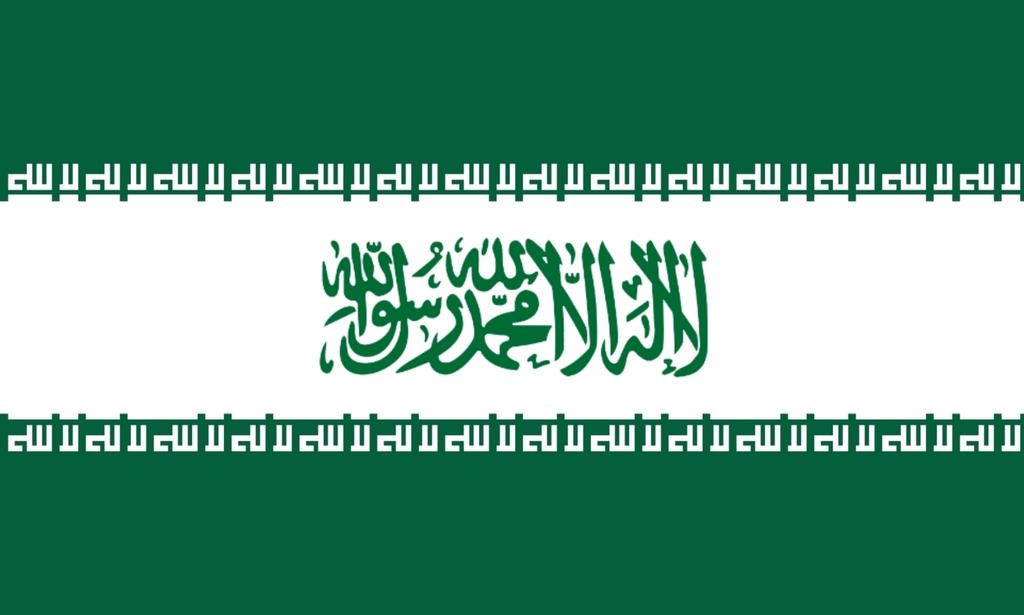
In a move to uphold the highest levels of religious reverence, the Saudi Ministry of Commerce officially announced a comprehensive divine names ban on all commercial packaging and disposable materials. On January 12, 2026, Ministry spokesperson Abdulrahman Al-Hussain confirmed that commercial establishments are now strictly prohibited from printing the name of “Allah” or any of the 99 Beautiful Names (Asma-Ul-Husna) on items destined for casual use or disposal. This directive aims to prevent sacred terms from being subjected to disrespect in trash bins or handled inappropriately after a product is consumed.
The Core of the Regulation: Protecting Sanctity
The primary driver behind the divine names ban is the protection of Islamic values. In the Gulf region, and specifically within the Kingdom, the written name of the Divine is held in the highest regard. Authorities observed that when these names are used on shopping bags, wrappers, or food containers, they often end up on the ground or in waste facilities.
To address this, the Ministry has mandated that:
- Disposable Items: No sacred names can be printed on plastic bags, paper wraps, or cardboard boxes.
- Branding & Logos: Companies must ensure their logos do not incorporate divine titles in a way that risks degradation.
- Marketing Material: Flyers and brochures intended for mass distribution are also covered under these sensitivity guidelines.
Impact on Businesses and Compliance 2026
This regulation is an extension of the broader Trade Name Law and the Commercial Registration Law updated in late 2025. Businesses operating in Saudi Arabia must act immediately to avoid penalties.
| Compliance Area | Requirement |
| Inventory Audit | Review all current packaging for “Asma-Ul-Husna” or the word “Allah.” |
| Rebranding | Remove religious connotations from trade names used on disposable goods. |
| Supplier Notification | Ensure third-party manufacturers are aware of the new KSA standards. |
| Penalties | Non-compliance can result in fines up to SR 50,000 and product confiscation. |
Strategic Shift for International Brands
For global brands exporting to the Kingdom, the divine names ban necessitates a localized packaging strategy. This is not merely a commercial hurdle but an opportunity to demonstrate cultural and religious literacy. Brands that proactively adjust their packaging to show respect for local values often see higher consumer trust and brand loyalty in the Saudi market.
Regulatory Context and Enforcement
The Ministry of Commerce, in coordination with the Saudi Chambers, has begun a nationwide monitoring campaign. This ban complements existing laws that prohibit the use of the Saudi national flag (which contains the Shahada), images of the leadership, and other religious symbols for commercial exploitation.
“This decision stems from a desire to revere and protect the Beautiful Names of God (Al-Asma Ul Husna) from any form of disrespect,” stated Abdulrahman Al-Hussain.
Conclusion for Stakeholders
The divine names ban serves as a reminder that Saudi Arabia’s “Vision 2030” is as much about cultural preservation as it is about economic modernization. Businesses are encouraged to consult with legal experts in Saudi commercial law to ensure their “Trade Names” and “Visual Identities” align with these new religious and administrative standards. By moving quickly to comply, companies can avoid logistical disruptions and align themselves with the Kingdom’s societal expectations.