

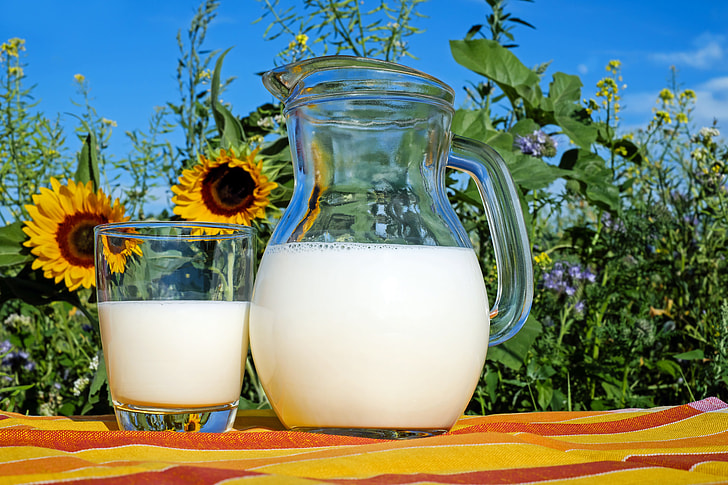
In a landmark development for the global dairy industry, the United Arab Emirates has officially secured approval to develop the world’s first international standard for pasteurised camel milk. Announced in February 2026 during the Codex Alimentarius Commission’s 48th session in Rome, this initiative marks a massive shift for the UAE’s food sector. Specifically, the UAE’s National Codex Committee, led by Mouza Suhail Al Muhairi, successfully advocated for a standard that will protect consumers from fraud and ensure that camel milk becomes a globally recognized “superfood.” Consequently, this development paves the way for the UAE’s new international-standard facility to dominate the multi-billion dollar alternative dairy market.
Why the New Pasteurisation Standard Matters
Until now, the lack of a global specification for pasteurised camel milk has limited its commercial reach. Notably, without these standards, exported milk often faced strict hurdles in European and North American markets. Indeed, the new Codex-approved framework will:
- Prevent Fraud: Stopping the illicit practice of blending camel milk with cow’s milk powder.
- Guarantee Safety: Standardizing the heat-treatment process to eliminate bacteria while preserving nutrients.
- Extend Shelf-Life: Allowing UAE brands like Camelicious to ship fresh-tasting products to global shelves without cold-chain dependencies.
Economic Impact: From 7,000 Tonnes to Global Dominance
The UAE currently produces over 7,000 tonnes of pasteurised camel milk annually. However, with the global market projected to hit $1.93 billion by 2033, this new facility and the accompanying global standards will act as a catalyst. Furthermore, by aligning with the UAE National Food Security Strategy 2051, this project transforms a traditional heritage product into a high-value economic asset. As a result, local camel breeders will see increased stability and better pricing as demand surges in China, the EU, and the USA.
| Feature | Camel Milk Profile | Cow Milk Comparison |
| Vitamin C | 3x Higher | Standard |
| Allergens | No $\beta$-lactoglobulin | High (Bovine proteins) |
| Insulin | Natural Insulin-like proteins | Trace amounts |
| Fat Content | Lower & Healthier | Variable |
Support for Local Heritage and Innovation
The project is not just about exports; it’s about supporting the roots of Emirati culture. Notably, the international-standard facility will provide local farmers with modern processing infrastructure. Indeed, this ensures that even small-scale producers can meet the rigorous quality controls required for the international “Pasteurised” label. Moreover, the R&D at this facility is expected to lead to new innovations like camel-milk-based infant formula, medical-grade supplements, and even specialized skincare lines.
[Image Suggestion: A modern, high-tech bottling plant in Dubai showing the “Codex Standard” seal on a bottle of camel milk]
Conclusion: A New Era for UAE Dairy
In conclusion, the approval of the first global standard for pasteurised camel milk is a strategic win for the UAE’s leadership in food innovation. By blending ancient tradition with 21st-century safety protocols, the Emirates is ensuring that this “white gold” reaches every corner of the globe. Stay tuned as the new facility begins its phased operations later this year, promising to put a bottle of UAE-standard camel milk in every health-conscious household worldwide.