
The future of mixed reality isn’t necessarily a bulky headset strapped to your face. In 2026, Best Lightweight AR Smart Glasses are becoming a more practical option for people who want useful digital features without the weight and isolation of a traditional VR headset.
From hands-free navigation and notifications to AI assistants and smart glasses with real-time translation, today’s lightweight XR devices are increasingly designed for everyday life.
But which glasses actually make sense for daily use? And are they a better choice than products such as Apple Vision Pro or emerging devices like Meta Orion?
What Are Lightweight AR Smart Glasses?
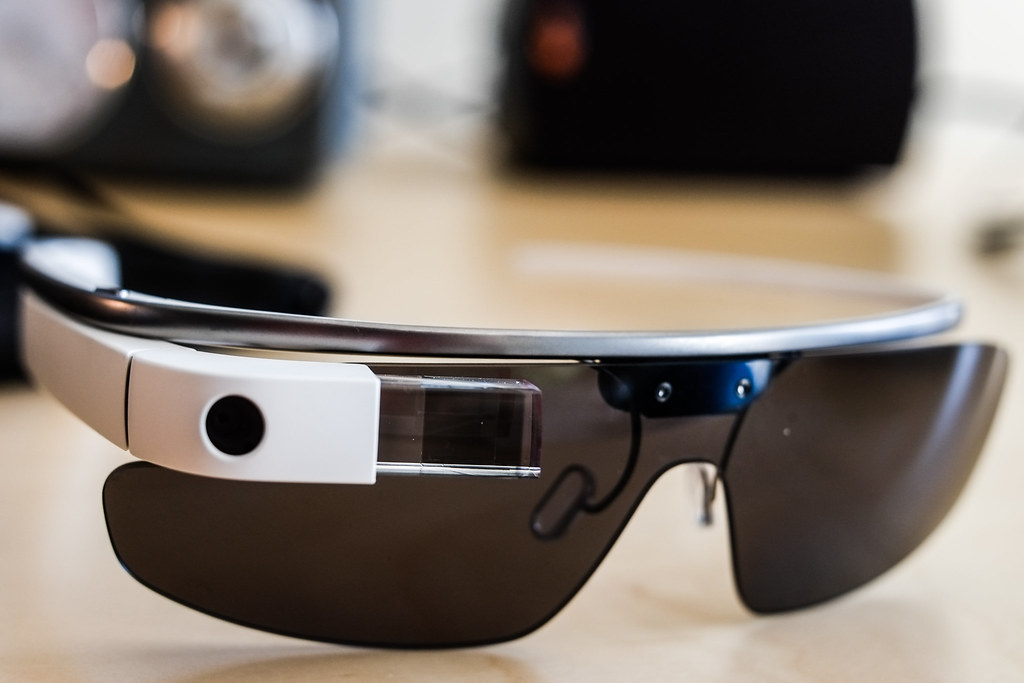
Lightweight AR smart glasses are wearable devices designed to bring digital information and smart features into your everyday environment while maintaining a glasses-like form factor.
Unlike full VR headsets, they are generally designed to keep you aware of your surroundings. Depending on the model, features can include:
- AI voice assistance
- Navigation and notifications
- Hands-free calls and messaging
- Cameras and audio
- Live or real-time translation
- Spatial or augmented-reality displays
- Object and scene recognition
The biggest advantage is convenience. You can wear them while walking, commuting, working, or traveling without feeling like you’re wearing a full computer on your face.
Why Lightweight XR Smart Glasses Matter in 2026
Comfort is becoming just as important as processing power.
A device can have an impressive display and advanced AI, but if it is heavy, awkward, or uncomfortable after 30 minutes, most people won’t use it throughout the day.
That’s why lightweight XR smart glasses are attracting attention. The goal is simple: make augmented computing feel more like wearing normal glasses than using a VR headset.
For everyday users, this could be a more realistic path toward mainstream spatial computing.
Best Lightweight AR Smart Glasses for Everyday Use
1. Ray-Ban Meta Smart Glasses
Ray-Ban Meta smart glasses remain one of the most recognizable examples of consumer-friendly AI glasses.
They combine a familiar glasses design with cameras, open-ear audio, voice interaction, and AI-powered features.
They don’t provide the same full visual AR experience as a headset, but that is also their strength: they’re designed to be worn casually.
Best for: AI assistance, calls, audio, photos, and everyday smart-glasses features.
2. XREAL Air 2 Ultra
XREAL’s approach focuses more heavily on spatial displays and immersive visual experiences while maintaining a glasses-style design.
The platform can appeal to users who want a larger virtual screen for entertainment, productivity, or XR applications without wearing a traditional VR headset.
Best for: Virtual displays, entertainment, and lightweight spatial computing.
3. Vuzix Smart Glasses
Vuzix has focused heavily on enterprise and professional smart-glasses applications.
Depending on the model and use case, its technology can support industrial workflows, remote assistance, hands-free information, and other professional applications.
Best for: Enterprise, industrial, and professional use.
4. Even Realities G1
Even Realities takes a minimalist approach, aiming to make smart glasses look and feel closer to conventional eyewear.
Its focus on discreet information, notifications, navigation, and AI-assisted interaction makes this type of device particularly interesting for people who don’t want a bulky wearable.
Best for: Minimalist everyday use and discreet information access.
What About Apple Vision Pro?
Apple Vision Pro is considerably more powerful than most lightweight smart glasses, but it belongs to a different category.
It is designed as a spatial-computing headset with advanced displays, cameras, sensors, and immersive experiences. That makes it excellent for high-end spatial computing, but it isn’t necessarily the most practical option for wearing throughout an ordinary day.
For many people, the appeal of best AR glasses for daily use is precisely that they are smaller, lighter, and less isolating.
The choice therefore comes down to priorities:
Vision Pro: immersive spatial computing and high-end visual experiences.
Lightweight smart glasses: portability, convenience, quick interactions, and everyday wear.
Best Alternative to Meta Orion / Apple Vision Pro?
There isn’t one direct replacement for both.
Meta Orion represents a vision of future AR glasses with advanced holographic-style displays, while Apple Vision Pro is a full spatial-computing headset.
Today’s consumer products generally compromise in one area to achieve a smaller and more practical form factor.
If you want something you can comfortably wear throughout the day, lightweight smart glasses are currently the more practical direction. If your priority is maximum immersion and sophisticated spatial applications, a headset remains more capable.
Smart Glasses With Real-Time Translation
One of the most interesting developments is language translation.
AI-powered glasses can potentially translate conversations or provide translated information without requiring you to constantly look down at your phone.
This could be particularly useful when traveling, attending international meetings, or communicating across language barriers.
However, translation quality depends on factors such as microphone performance, internet connectivity, AI models, background noise, and the languages supported by the specific device.
What to Look for in Everyday Wear AR Glasses in 2026
Before buying everyday wear AR glasses 2026, consider more than the feature list.
Comfort and Weight
If the glasses are uncomfortable, advanced features won’t matter. Look for balanced weight, suitable nose pads, and a frame that fits your face.
Battery Life
AI features, cameras, wireless connectivity, and displays can consume significant power. Check realistic usage rather than relying only on standby claims.
Privacy
Cameras and microphones make privacy an important consideration. Understand when recording occurs and how captured data is processed.
Display Quality
If you’re buying glasses specifically for AR, examine brightness, field of view, resolution, and how easily the display remains visible in different lighting conditions.
AI Features
Consider whether the glasses provide useful AI assistance or simply add a voice interface to features you already have on your phone.
Phone Compatibility
Some smart glasses depend heavily on a connected smartphone. Check Android and iPhone compatibility before purchasing.
Are Lightweight AR Glasses Ready for Everyday Use?
For many use cases, yes—but the category is still evolving.
The biggest opportunity is not replacing smartphones overnight. It’s making certain interactions faster and more natural.
Checking a notification, asking an AI assistant a question, taking a quick photo, listening to directions, or translating a phrase can all become hands-free tasks.
The more these interactions happen naturally, the more useful smart glasses become.
Final Verdict
The Best Lightweight AR Smart Glasses in 2026 aren’t necessarily the ones with the most futuristic specifications. For everyday users, comfort, battery life, privacy, AI capabilities, and ease of use matter just as much as technical features.
Apple Vision Pro remains a powerful option for immersive spatial computing, but lightweight smart glasses offer a different—and potentially more practical—vision of wearable technology.
For daily life, the future may not be about putting a computer on your face. It may be about making the technology almost disappear into the glasses you already want to wear.