

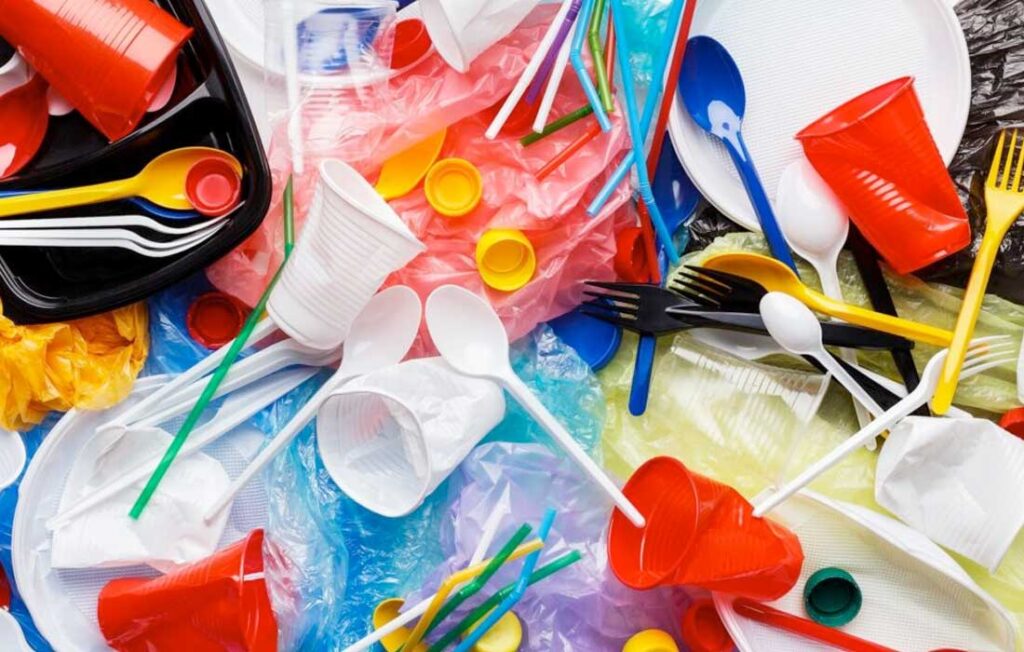
UAE single-use plastic ban is set to expand next year, marking another major step in the country’s long-term sustainability and environmental protection strategy. The move aims to significantly reduce plastic waste, protect marine life, and accelerate the shift toward reusable and biodegradable alternatives across all emirates.
Why the UAE is expanding the plastic ban
The UAE has been steadily tightening regulations on plastic usage as part of its climate commitments and green economy goals. Authorities say single-use plastics remain one of the biggest contributors to landfill waste and environmental pollution.
By extending the ban, the government wants to:
What items are likely to be affected
While plastic bags were the first target, the expanded ban is expected to cover additional single-use plastic items such as:
- Disposable cutlery
- Plastic cups and plates
- Thin food packaging
- Certain plastic containers used in retail
Businesses will be required to comply by switching to approved alternatives.
Impact on businesses and consumers
Retailers, restaurants, and suppliers will need to adapt quickly. Many businesses in the UAE have already started offering:
- Paper-based packaging
- Compostable materials
- Reusable options
For consumers, the change encourages mindful consumption and long-term cost savings through reusable products.
Environmental and economic benefits
Experts believe the expanded ban will:
- Reduce landfill pressure
- Lower cleanup costs
- Improve air and water quality
- Create new opportunities in green manufacturing
The policy also aligns with the UAE’s broader climate agenda and sustainability vision.
Linked national developments
The plastic ban expansion comes alongside other key national initiatives highlighted on the front page, including:
- UAE-made cancer medicines to lower treatment costs
- Cultural recognition with Sharjah’s Faya World Heritage listing
Together, these moves reflect a strong focus on sustainability, public welfare, and long-term national development.